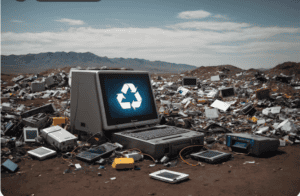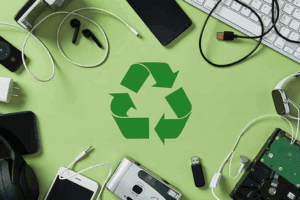

Smartphones, computers, household appliances, networking equipment, monitors, and other electronic devices have become a part of everyday life in a world that is becoming more and more reliant on technology. However, quick innovation also means quick replacement, which leads to a huge increase in e-waste. Although it has long been known that inappropriate disposal contaminates water and soil, there is another equally significant but less well-known consequence: impact of climate change.
The production, transportation, and disposal of electronics carry a heavy carbon footprint. Mining raw materials, processing metals, manufacturing components, and shipping devices across continents all contribute significantly to global greenhouse gas (GHG) emissions. The good news? Recycling electronics can dramatically reduce these emissions.
This is where Escrappy Recyclers Bangalore, a responsible and environmentally focused recycler, plays a crucial role—helping communities and businesses shrink their carbon footprint through sustainable e-waste management.
Why Electronics Carry a High Carbon Footprint
Before a device ever reaches our hands, it has already gone through numerous energy-intensive stages:
- Extraction of Raw Materials
Electronic devices require metals like gold, copper, palladium, aluminum, lithium, and nickel—materials obtained through large-scale mining. Mining activities involve:
- Massive fuel consumption
- Heavy machinery
- Habitat destruction
- Chemical processing
These processes release CO₂ and methane, contributing significantly to climate change. For example, the mining and refining of gold for circuit boards is one of the most carbon-intensive steps in electronics production.
- Manufacturing of Components
Electronic components—PCBs, semiconductors, batteries, and casings—require enormous amounts of electricity. Silicon wafer fabrication alone demands ultra-clean environments, constant cooling, and high-energy machinery, often powered by fossil fuels.
- Global Logistics Chain
Devices and components are shipped across international manufacturing hubs. Each leg—air freight, sea freight, road transport—adds to the carbon footprint.
- Disposal and Decomposition
When tossed into landfills or burned, discarded electronics release not just toxins but also GHGs, contributing further to environmental degradation.
The carbon footprint of electronics is cumulative, and without intervention, the climate impact multiplies with each product cycle.
How Recycling Electronics Helps Reduce Greenhouse Gas Emissions
Recycling interrupts this cycle in the most climate-friendly way possible. Here’s how:
1)Reduces Need for Energy-Intensive Mining
Recycling recovers valuable metals already embedded in old electronics. Extracting copper, aluminium, gold, silver, or rare earths from discarded devices requires far less energy than mining them from the earth.
For example:
- Aluminium recycling can save up to 95% of the energy required to make new aluminium.
- Recovering copper through recycling saves up to 85% energy compared to mining.
By supplying the industry with secondary raw materials, recycling directly cuts down emissions from mining, refining, and smelting.
2)Cuts Down Manufacturing Emissions
When components are reused or materials are reprocessed, manufacturers can reduce the need for new energy-intensive production. Using recycled metals and plastics often requires far less energy and releases fewer greenhouse gases.
This reduces the overall carbon intensity of electronic products.
3)Supports Circular Economy Practices
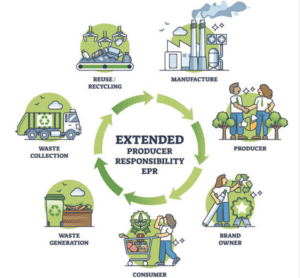
The circular economy emphasizes reuse, repair, refurbish, and recycle—all of which minimize waste and energy consumption. When devices are refurbished instead of replaced, fewer new devices must be manufactured, significantly lowering global emissions.
4)Prevents Greenhouse Gases from Improper Disposal
Burning e-waste releases toxic smoke along with potent greenhouse gases. Landfilled e-waste emits greenhouse gases as components break down and organic parts decompose.
Responsible recycling prevents this completely.
5)Reduces Transportation Emissions
Locally handled recycling, such as with Escrappy Recyclers Bangalore, eliminates the need to transport waste to distant processing facilities or informal dumpsites. This reduces emissions from logistics and ensures cleaner, safer disposal.

The Role of Escrappy Recyclers Bangalore in Cutting Carbon Footprints
As a trusted and certified e-waste recycler, Escrappy Recyclers Bangalore helps businesses, households, and institutions significantly reduce their climate impact through environmentally responsible recycling.
- Energy-Efficient Recycling Processes
Escrappy uses methods designed to minimize energy use while maximizing material recovery. This ensures that less energy is needed to extract metals compared to traditional mining.
- High Material Recovery Rates
The more material that is reclaimed, the less demand there is for new mining and manufacturing. Escrappy’s advanced dismantling and recovery techniques ensure optimal extraction of metals, plastics, and reusable parts.
- Support for Refurbishment and Reuse
Working within the circular economy model, Escrappy promotes the refurbishment of electronics so devices can be reused instead of replaced. Extending a device’s life even by one or two years significantly reduces its lifetime carbon footprint.
- Local Collection and Processing in Bangalore
By managing e-waste within the city, Escrappy cuts down transportation emissions and ensures that waste isn’t informally dumped or sent long distances to unregulated facilities.
- Climate-Conscious Disposal of Hazardous Components
Batteries, PCBs, mercury lamps, and other sensitive materials are disposed of using eco-safe methods that prevent emissions, leaks, and toxic releases.
- Corporate and Community Awareness Programs
Escrappy Recyclers Bangalore also helps educate organizations and citizens about the climate benefits of recycling—spreading awareness that responsible disposal is not just a legal duty, but a climate action.
A Quick Look at the Climate Savings
- Recycling a million laptops saves the energy equivalent of powering 3,500 homes for a year.
- Recycling aluminum from e-waste cuts 95% of energy use, reducing CO₂ emissions massively.
- Recovering copper reduces carbon emissions by 6 tons of CO₂ per ton of copper recycled.
These numbers highlight how crucial recycling is in the fight against climate change.
In Last
Recycling electronics is not only about managing waste—it is a powerful climate solution. By reducing the energy needed for mining and manufacturing, preventing harmful emissions from disposal, and extending product lifecycles, e-waste recycling plays a vital role in cutting global carbon footprints.
Choosing a responsible partner like Escrappy Recyclers Bangalore ensures that every device you recycle contributes to a cleaner atmosphere, a more sustainable future, and a meaningful reduction in greenhouse gas emissions.
Every phone, laptop, or gadget recycled is a small but significant step toward climate protection—and when millions take that step, the impact is transformative.