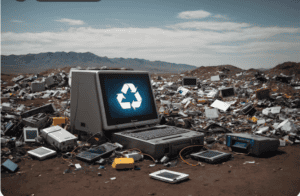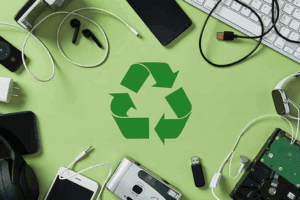

Bangalore is a center for creativity, technology, and fast urban development. It is frequently referred to as India’s Silicon Valley. Economic growth has been fueled by this digital expansion, but it has also led to a dramatic increase in electronic waste. One of the waste streams in the city that is expanding the fastest presently consists of discarded computers, cell phones, servers, and other electronic devices. In Bangalore, addressing electronic trash has emerged as a major environmental and public health concern.
Knowing Electronic Waste
Any electrical or electronic equipment that has reached the end of its useful life is referred to as electronic garbage, or e-waste. Bangalore’s families, IT firms, schools, data centers, and manufacturing facilities all produce e-waste. These gadgets frequently include both valuable materials and toxic compounds; safe disposal is crucial.
Electronic Waste Statistics in Bangalore
Bangalore is among the top cities in India for generating e-waste. According to estimates from government and industry sources, the city generates tens of thousands of metric tonnes of electronic waste annually, driven largely by the IT and electronics sectors. With frequent technology upgrades and short product life cycles, this volume is expected to increase steadily in the coming years.
Despite the high generation rate, a significant portion of e-waste in Bangalore is still handled by the informal sector. This leads to unsafe recycling practices and loss of recoverable resources. Bridging the gap between e-waste generation and authorized recycling remains a major challenge for the city.
Key Challenges of Electronic Waste Management in Bangalore
One of the biggest challenges is a lack of awareness. Many households and small businesses are unaware of the environmental and health risks associated with improper e-waste disposal. As a result, electronic items are often mixed with general waste or sold to unauthorized scrap dealers.
Another major issue is the dominance of the informal recycling sector. Informal handlers often dismantle electronics without protective equipment, using methods such as open burning or acid leaching to extract metals. These practices release toxic substances into the environment, contaminating air, soil, and water.
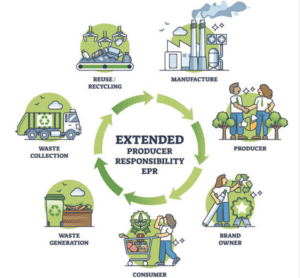
Logistical barriers also contribute to the problem. Limited access to convenient collection points and uncertainty about compliant recyclers discourage responsible disposal. For businesses, ensuring compliance with Extended Producer Responsibility (EPR) and maintaining proper documentation can be complex without expert support.
Environmental and Health Impacts
Improper e-waste management has serious environmental consequences. Hazardous materials such as lead, mercury, and cadmium can leach into groundwater and soil, posing long-term risks to ecosystems. Air pollution from burning electronic components contributes to respiratory illnesses and reduced air quality.
Human health impacts are equally concerning. Workers in informal recycling setups are exposed to toxic fumes and chemicals, increasing the risk of neurological disorders, respiratory problems, and other chronic conditions. These risks extend beyond workers to nearby communities.
Sustainable Solutions for Electronic Waste in Bangalore
Addressing the e-waste challenge requires a multi-pronged approach. Public awareness campaigns play a vital role in educating citizens about responsible disposal and the importance of using authorized recyclers. Encouraging repair, refurbishment, and reuse can also significantly extend the lifespan of electronic devices.
Regulatory enforcement is another key factor. Strengthening the implementation of India’s E-Waste Management Rules and EPR frameworks can help ensure that producers and bulk consumers take responsibility for end-of-life electronics.
Professional recycling services are central to sustainable e-waste management. Authorized recyclers use environmentally sound processes to safely dismantle electronics, recover valuable materials, and dispose of hazardous components responsibly. This approach reduces pollution, conserves resources, and supports a circular economy.
Role of Escrappy Recyclers in Bangalore
Escrappy Recyclers plays an important role in addressing Bangalore’s electronic waste challenges. By offering compliant e-waste collection, secure data destruction, and transparent recycling processes, Escrappy helps businesses and institutions meet regulatory requirements while minimizing environmental impact.
Escrappy Recyclers also supports organizations with documentation and reporting, making EPR compliance and sustainability audits more manageable. Through responsible recycling practices, Escrappy contributes to reducing landfill waste and promoting resource recovery in Bangalore.
In Last
Electronic waste in Bangalore is a growing challenge driven by rapid technological advancement and high consumption of electronic devices. Without proper management, e-waste poses serious environmental and health risks and leads to the loss of valuable resources. Sustainable solutions lie in increased awareness, strong regulatory compliance, and collaboration with authorized recyclers. By choosing responsible e-waste recycling partners like Escrappy Recyclers, Bangalore can move toward a cleaner, safer, and more sustainable future while continuing to thrive as a technology-driven city.