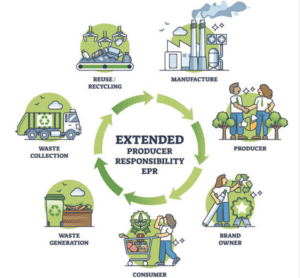

As global waste generation rises, governments are shifting the responsibility of managing end-of-life products back to producers. This approach—known as Extended Producer Responsibility (EPR)—is now a legal requirement in many sectors, including electronics, plastics, batteries, packaging, and more. An effective EPR plan helps brands comply with regulations, reduce environmental impact, and demonstrate commitment to sustainability.
For producers, however, creating a compliant and efficient EPR plan can feel overwhelming. The process involves documenting how products will be collected, recycled, tracked, and responsibly processed. That’s where structured planning and the right recycling partners, such as Escrappy Recyclers, become essential.
Below is a practical breakdown of the key components every strong EPR plan must include.
1) A Clear and Accessible Collection System
A successful EPR plan begins with defining how the producer will collect returned or discarded products. This collection mechanism forms the backbone of EPR compliance.
Key Components of an Effective Collection System:
- Multiple collection channels: drop-off points, retailer take-back counters, doorstep pickup, or authorized aggregators.
- Clear communication: customers should easily understand where and how they can return products.
- Coverage across operational regions: collection must be available in every state or region where the product is sold.
- Logistics planning: safe transportation of collected waste to authorized recyclers.
Producers increasingly collaborate with authorized recycling organizations to build these systems efficiently. Escrappy Recyclers, for example, provides structured e-waste collection channels for businesses, ensuring smooth logistics and documentation that align with regulatory expectations.
Why It Matters:
A well-designed collection system increases return rates, reduces illegal dumping, and ensures waste enters the formal recycling chain.
2) Defined Recycling and Recovery Targets
Regulatory bodies require producers to meet annual EPR targets—specific quantities of waste that must be collected and recycled. These targets may relate to:
- weight of material,
- percentage of total sales volume, or
- specific components such as plastics, metals, or hazardous parts.
How to Set Effective Targets:
- Understand current regulations for your product category (e-waste, plastic waste, battery waste, etc.).
- Map your sales data to determine the volume of material entering the market.
- Align with authorized recyclers, such as Escrappy Recyclers, to assess realistic recycling capabilities.
- Plan internal systems to meet or exceed annual targets.
Companies that aim slightly above the mandated target often find compliance easier in the long term—it helps account for fluctuations in product returns and market sales.
Why It Matters:
Setting and meeting recycling targets demonstrates responsibility, avoids legal penalties, and contributes directly to material recovery and resource conservation.

3) Transparent Tracking, Documentation, and Reporting
One of the most critical elements of an EPR plan is traceability—manufacturers must show proof that collected waste has been responsibly processed.
Core Documentation Requirements Include:
- Collection and transportation records
- Recycler authorization certificates
- Weighbridge slips and processing receipts
- Recycling certificates/PRO certificates
- Annual EPR progress reports
- Audit-ready documentation for government portals
A digital tracking system not only maintains transparency but also streamlines compliance audits.
Escrappy Recyclers supports brands with fully verifiable documentation throughout the recycling chain, ensuring that every kilogram of waste processed is accounted for. This reduces compliance risk and helps businesses maintain regulatory credibility.
Why It Matters:
Transparent reporting builds accountability, prevents fraudulent recycling claims, and ensures producers stay compliant throughout the year.
4) Eco-Design and Sustainable Product Development
An often-overlooked but vital part of EPR planning is eco-design—designing products that are easier to reuse, repair, dismantle, or recycle.
Eco-Design Practices Producers Should Consider:
- Use of recyclable or biodegradable materials
- Modular components that are easy to disassemble
- Reduced use of mixed or hazardous materials
- Designing for repair instead of replacement
- Minimizing packaging waste and improving material efficiency
Eco-design not only improves environmental performance but can also drastically reduce overall recycling costs in the long term.
Why It Matters:
When products are designed with end-of-life in mind, the burden on producers—and the planet—reduces significantly. Eco-design supports a circular economy, where materials remain in use rather than turning into waste.
5) Collaboration With Certified Recyclers and EPR Service Providers
A strong EPR plan cannot work without strategic partnerships. Producers must work with authorized recyclers who are certified to handle, dismantle, and process waste safely.
What to Look for in a Recycling Partner:
- Government authorization and compliance with pollution control norms
- Ability to handle the specific waste category (e-waste, plastic, battery, etc.)
- Transparent documentation and reporting
- Environment-friendly dismantling and recycling processes
- Assurance of safe disposal of hazardous fractions
Escrappy Recyclers has built a reputation for supporting producers and brands with compliant recycling services, efficient collection networks, verifiable documentation, and environmentally safe processing. Partnering with such organizations ensures producers meet EPR obligations without logistical or regulatory stress.
Why It Matters:
Certified recycling partners eliminate the risks associated with informal waste handling, help producers meet annual targets, and uphold environmental standards.
In Conclusion
A strong and compliant Extended Producer Responsibility (EPR) plan is no longer optional—it is a core part of modern corporate responsibility and environmental stewardship. By setting up reliable collection systems, defining recycling targets, ensuring transparent tracking, implementing eco-design, and partnering with certified recyclers like e-waste Bangalore, producers can create an EPR plan that is both effective and future-ready.
An EPR plan done right not only meets regulatory requirements but also strengthens brand reputation, supports sustainability goals, and drives the shift toward a circular economy where materials are reused instead of wasted.