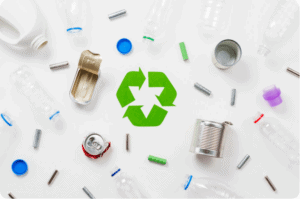

Plastic pollution isn’t just about litter. It’s about a system that promotes excessive consumption and poor waste management. India generates nearly 3.5 million tonnes of plastic waste annually, and much of it ends up in open dumps or water bodies due to inadequate segregation and recycling.
The issue isn’t just aesthetic—it’s ecological and health-related. Plastics break down into microplastics that contaminate soil, rivers, and even the food we eat. Marine animals often mistake these particles for food, leading to devastating consequences across ecosystems.
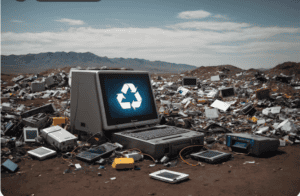
Bangalore, known as India’s Silicon Valley, faces its own challenge of managing both electronic and plastic waste. With rapid urbanization and growing consumption, the need for responsible recycling systems has never been more urgent.
E-Scrappy Recyclers: Leading the Way Toward Sustainable Waste Management
At the forefront of this green transformation is E-Scrappy Recyclers, a Bangalore-based organization dedicated to responsible e-waste and plastic recycling. E-Scrappy’s mission is clear: to ensure a no-landfill policy and promote safe, sustainable recycling practices that protect public health and the environment.
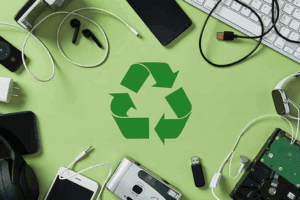
What sets E-Scrappy apart is its integrated recycling approach. While primarily focused on e-waste management, the facility also handles various types of recyclable materials, including plastics commonly found in electronic devices, packaging, and office consumables.
Their process involves:
- Collection & Segregation: Gathering waste from households, offices, and industries, followed by sorting into categories like plastics, metals, and glass.
- Safe Recycling Practices: Utilizing eco-friendly methods to process plastics without releasing harmful emissions.
- Awareness & Outreach: Conducting workshops and community programs across Bangalore to educate people about sustainable waste disposal.
By bridging the gap between waste generation and responsible recycling, E-Scrappy helps citizens and businesses play an active role in reducing plastic pollution.
Practical Steps to Live a Plastic-Free Life
Transitioning to a plastic-free lifestyle may seem challenging, but it’s achievable through consistent, mindful choices. Here are realistic steps to help you make the shift:
A)Start with Awareness
The first step is to identify where plastics are entering your daily life. Keep track of your usage for a week—bottles, bags, packaging, straws, and food containers. Awareness is the foundation for change.
B)Choose Reusables Over Disposables
Invest in durable alternatives such as stainless-steel bottles, bamboo toothbrushes, cloth shopping bags, and glass containers. Not only do these items last longer, but they also reduce your overall waste footprint.
C)Buy in Bulk
Purchasing groceries and other essentials in bulk minimizes packaging waste. Opt for local markets where you can carry your own containers and bags instead of relying on plastic packaging.
D)Refuse Unnecessary Plastic
Say “no” to single-use plastics whenever you can, such as sachets, straws, and silverware.
E)Recycle Responsibly
While not all plastics can be completely eradicated right away, they can be handled properly. Sort your garbage into three categories: recyclable, non-recyclable, and biodegradable. Work with certified recyclers like E-waste Bangalore to ensure that your plastic waste is properly handled and used instead of ending up in a landfill.
F)Support Eco-Conscious Brands
Many companies are now embracing plastic-free packaging and circular economy principles. Support brands that prioritize sustainability and transparency in their production processes.
G)Spread the Word
A plastic-free lifestyle becomes powerful when shared. Encourage your community, workplace, and schools to adopt similar habits. Collective effort amplifies environmental impact.

Why Recycling Still Matters
While reducing plastic use is the ultimate goal, recycling remains a crucial step in managing existing waste. It conserves resources, saves energy, and reduces the environmental burden of new plastic production.
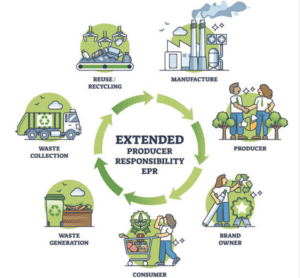
By working with organizations like E-Scrappy Recyclers, you contribute to a structured system that ensures plastics are sorted, cleaned, and repurposed into useful products—closing the loop in the plastic lifecycle. This approach aligns perfectly with the principles of a circular economy, where waste is viewed not as trash but as a resource.
E-Scrappy’s facilities in Bangalore are equipped with advanced machinery that handles various grades of plastic waste. Their emphasis on safe recycling, worker safety, and eco-friendly practices ensures that no harmful residues are left behind during processing.
Building a Plastic-Free Future
The journey toward a plastic-free lifestyle is not about perfection—it’s about progress. Every small action counts. Choosing a reusable cup, refusing a plastic bag, or responsibly recycling e-waste may seem minor, but collectively, these actions create significant environmental change.
Communities in Bangalore are already witnessing the positive effects of such initiatives, thanks to partnerships between citizens and recyclers like E-Scrappy. Together, they are proving that sustainable living isn’t just possible—it’s practical.
In Last
A plastic-free lifestyle isn’t about giving up convenience; it’s about redefining it. By making mindful choices and supporting responsible recycling, we can protect our environment, conserve natural resources, and build a healthier planet for generations to come.
At E-Scrappy Recyclers, Bangalore, every piece of plastic processed represents a step toward a cleaner future. Their commitment to no-landfill policies and safe recycling practices makes them a true ally in India’s fight against plastic pollution.
So, the next time you think about discarding plastic waste, think of recycling it with E-Scrappy. Together, we can turn plastic pollution into plastic progress.